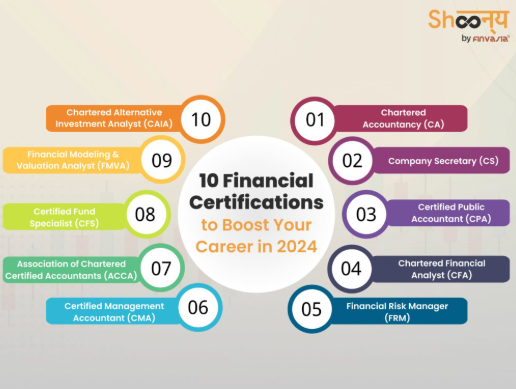
The banking industry is one of the most competitive and rewarding sectors in the global economy. Banks, financial institutions, investment firms, and fintech companies continuously look for professionals who possess strong financial knowledge, analytical skills, and industry-recognized credentials. While a university degree in finance, economics, or business administration can open the door to banking careers, professional certifications significantly increase your chances of getting hired faster.
Certifications demonstrate specialized expertise, practical knowledge, and commitment to professional development. Employers often prefer candidates with recognized financial credentials because these certifications ensure that applicants understand financial markets, risk management, accounting principles, and regulatory compliance. In many cases, certified professionals enjoy higher salaries, faster promotions, and greater credibility within the financial industry.
This article explores the top certifications that can help you secure a banking job more quickly, the skills they develop, and how they can enhance your career opportunities.
Why Certifications Matter in the Banking Industry
The banking sector is evolving rapidly due to globalization, digital finance, regulatory changes, and increasing competition. Banks now require employees who are not only knowledgeable about finance but also capable of handling complex financial instruments, managing risk, and advising clients effectively.
Professional certifications play a crucial role in bridging the gap between academic knowledge and practical financial skills. They provide in-depth training in areas such as financial analysis, risk management, accounting, compliance, and wealth management.
Some of the major benefits of obtaining banking certifications include:
1. Increased Job Opportunities
Many banks prefer candidates who hold professional certifications because they demonstrate industry readiness. Certifications signal to employers that a candidate has specialized knowledge and has undergone rigorous professional training.
2. Higher Salary Potential
Certified professionals often earn higher salaries compared to those without professional credentials. Financial institutions recognize the value of certified professionals and reward them accordingly.
3. Strong Professional Credibility
Certifications enhance credibility and trust with employers and clients. In the financial industry, trust is extremely important because professionals manage sensitive financial data and investment decisions.
4. Better Career Advancement
Many certifications open the door to advanced roles such as financial analyst, investment banker, portfolio manager, risk manager, and wealth advisor.
1. Chartered Financial Analyst (CFA)
The Chartered Financial Analyst (CFA) certification is one of the most prestigious and globally recognized credentials in the finance and banking industry. It is widely considered the gold standard for investment and financial analysis professionals.
Overview
The CFA program focuses on investment analysis, portfolio management, financial reporting, economics, and ethics. Candidates must pass three levels of exams and complete relevant work experience to earn the charter.
Key Skills Learned
-
Financial statement analysis
-
Investment management
-
Portfolio strategy
-
Corporate finance
-
Economic analysis
-
Ethical standards in finance
Career Opportunities
CFA certification opens the door to several high-level banking and finance roles, including:
-
Investment banker
-
Portfolio manager
-
Equity research analyst
-
Financial advisor
-
Asset manager
Professionals with CFA credentials are highly valued in investment banking and asset management because the certification demonstrates deep expertise in financial analysis and investment strategy.
Why CFA Helps You Get a Banking Job Faster
Many banks and financial institutions actively recruit CFA candidates for roles related to investment research, portfolio management, and financial advisory services. The certification signals advanced analytical capability and strong financial knowledge.
2. Financial Risk Manager (FRM)
The Financial Risk Manager (FRM) certification is highly respected in the field of banking risk management. It is awarded by the Global Association of Risk Professionals (GARP) and focuses on identifying and managing financial risks.
Overview
FRM certification specializes in risk management areas such as credit risk, market risk, operational risk, and liquidity risk.
Key Skills Learned
-
Risk measurement techniques
-
Credit risk analysis
-
Market risk assessment
-
Risk modeling and forecasting
-
Regulatory frameworks
Risk management has become increasingly important for banks due to strict regulations and financial market volatility.
Career Opportunities
FRM certification prepares professionals for roles such as:
-
Risk analyst
-
Credit risk manager
-
Market risk analyst
-
Financial risk consultant
-
Regulatory compliance officer
Banks rely heavily on professionals who can identify and mitigate financial risks, making FRM holders valuable assets in financial institutions.
Why FRM Helps You Get a Banking Job Faster
Banks constantly face financial and regulatory risks. FRM certification demonstrates expertise in managing these risks, which makes candidates attractive for risk management departments.
3. Certified Financial Planner (CFP)
The Certified Financial Planner (CFP) certification is ideal for professionals interested in personal finance, wealth management, and financial advisory services.
Overview
CFP certification focuses on helping individuals and businesses manage their finances effectively through investment planning, retirement planning, and tax strategies.
Key Skills Learned
-
Investment planning
-
Retirement planning
-
Tax planning
-
Estate planning
-
Financial advisory services
Career Opportunities
Professionals with CFP certification often work in roles such as:
-
Financial planner
-
Wealth manager
-
Investment advisor
-
Financial consultant
-
Banking relationship manager
Why CFP Helps You Get a Banking Job Faster
Banks often hire CFP professionals to work in wealth management and retail banking divisions where they advise clients on investments and financial planning.
The demand for wealth management professionals is growing as individuals seek expert guidance on managing their assets and financial goals.
4. Certified Management Accountant (CMA)
Certified Management Accountant (CMA) is a globally recognized certification that focuses on financial management and strategic decision-making.
Overview
The CMA program emphasizes financial planning, cost management, performance evaluation, and corporate financial strategy.
Key Skills Learned
-
Financial planning and analysis
-
Cost accounting
-
Corporate finance
-
Budgeting and forecasting
-
Strategic management
Career Opportunities
CMA certification prepares professionals for roles such as:
-
Financial analyst
-
Corporate finance manager
-
Cost accountant
-
financial controller
-
Chief financial officer
Why CMA Helps You Get a Banking Job Faster
Banks require professionals who understand financial performance, budgeting, and financial decision-making. CMA-certified professionals bring strong analytical and managerial accounting skills to financial institutions.
5. Chartered Accountant (CA)
Chartered Accountant (CA) certification is one of the most respected qualifications in the finance and accounting sector.
Overview
CA programs focus on accounting, taxation, auditing, and financial reporting.
Key Skills Learned
-
Financial accounting
-
Auditing
-
Taxation
-
Corporate law
-
Financial management
Career Opportunities
Chartered accountants often work in roles such as:
-
Internal auditor
-
financial analyst
-
investment banker
-
tax consultant
-
financial controller
Many banks hire chartered accountants to manage financial reporting, compliance, and internal audits.
Why CA Helps You Get a Banking Job Faster
Banks must comply with strict financial regulations and accounting standards. Chartered accountants possess the technical expertise needed to maintain accurate financial records and ensure regulatory compliance.
6. Certified Anti-Money Laundering Specialist (CAMS)
Financial institutions must comply with anti-money laundering regulations to prevent illegal financial activities. The Certified Anti-Money Laundering Specialist (CAMS) certification focuses on financial crime prevention and compliance.
Overview
CAMS certification trains professionals to detect and prevent money laundering, fraud, and financial crimes.
Key Skills Learned
-
Anti-money laundering regulations
-
financial crime detection
-
compliance procedures
-
investigation techniques
-
risk assessment
Career Opportunities
Professionals with CAMS certification often work in roles such as:
-
Compliance officer
-
Anti-money laundering analyst
-
Fraud investigator
-
Regulatory compliance manager
Why CAMS Helps You Get a Banking Job Faster
Banks must comply with strict international regulations. Professionals who specialize in financial crime prevention are highly valuable to financial institutions.
7. Financial Modeling and Valuation Analyst (FMVA)
Financial modeling is an essential skill in banking and finance. The Financial Modeling and Valuation Analyst (FMVA) certification focuses on building financial models used in investment banking and corporate finance.
Overview
FMVA certification teaches professionals how to analyze financial data and build valuation models for businesses.
Key Skills Learned
-
financial modeling in Excel
-
company valuation techniques
-
forecasting financial performance
-
financial statement analysis
Career Opportunities
Professionals with FMVA certification can work in roles such as:
-
financial analyst
-
investment banking analyst
-
corporate finance specialist
-
equity research analyst
Why FMVA Helps You Get a Banking Job Faster
Banks frequently require professionals who can evaluate investments, analyze companies, and build financial models for decision-making.
8. Chartered Alternative Investment Analyst (CAIA)
The Chartered Alternative Investment Analyst (CAIA) certification focuses on alternative investments such as hedge funds, private equity, commodities, and real estate.
Overview
The CAIA program provides specialized knowledge about non-traditional investment assets.
Key Skills Learned
-
alternative investment strategies
-
hedge fund analysis
-
private equity evaluation
-
portfolio diversification
Career Opportunities
Professionals with CAIA certification often work in:
-
asset management firms
-
investment banks
-
hedge funds
-
wealth management companies
Why CAIA Helps You Get a Banking Job Faster
Banks increasingly deal with alternative investments and sophisticated financial instruments, making CAIA-certified professionals valuable in investment banking and asset management.
How to Choose the Right Certification
Choosing the right certification depends on your career goals, interests, and the specific area of banking you want to enter.
For Investment Banking
Best certifications include:
-
CFA
-
FMVA
-
CAIA
For Risk Management
Recommended certifications include:
-
FRM
-
CAMS
For Accounting and Finance
Suitable certifications include:
-
CA
-
CMA
For Wealth Management
The best certification is:
-
CFP
Selecting the right certification can significantly improve your chances of getting hired in the banking sector.
Tips to Get a Banking Job Faster
While certifications can greatly improve your chances of securing a banking job, they should be combined with other important strategies.
1. Gain Internship Experience
Practical experience is highly valued in the banking industry.
2. Build Financial Skills
Learn essential tools such as:
-
Excel
-
financial modeling
-
data analysis
3. Develop Strong Networking
Networking with finance professionals can open doors to job opportunities.
4. Stay Updated on Financial Markets
Understanding global financial trends is crucial for banking professionals.
Conclusion
The banking industry offers exciting career opportunities for individuals with strong financial knowledge and analytical skills. However, competition in this field is intense, and professional certifications can significantly improve your chances of securing a banking job quickly.
Certifications such as CFA, FRM, CFP, CMA, CA, CAMS, FMVA, and CAIA equip professionals with specialized knowledge and practical expertise that banks highly value. These credentials not only enhance credibility but also open doors to higher-paying roles and faster career growth.