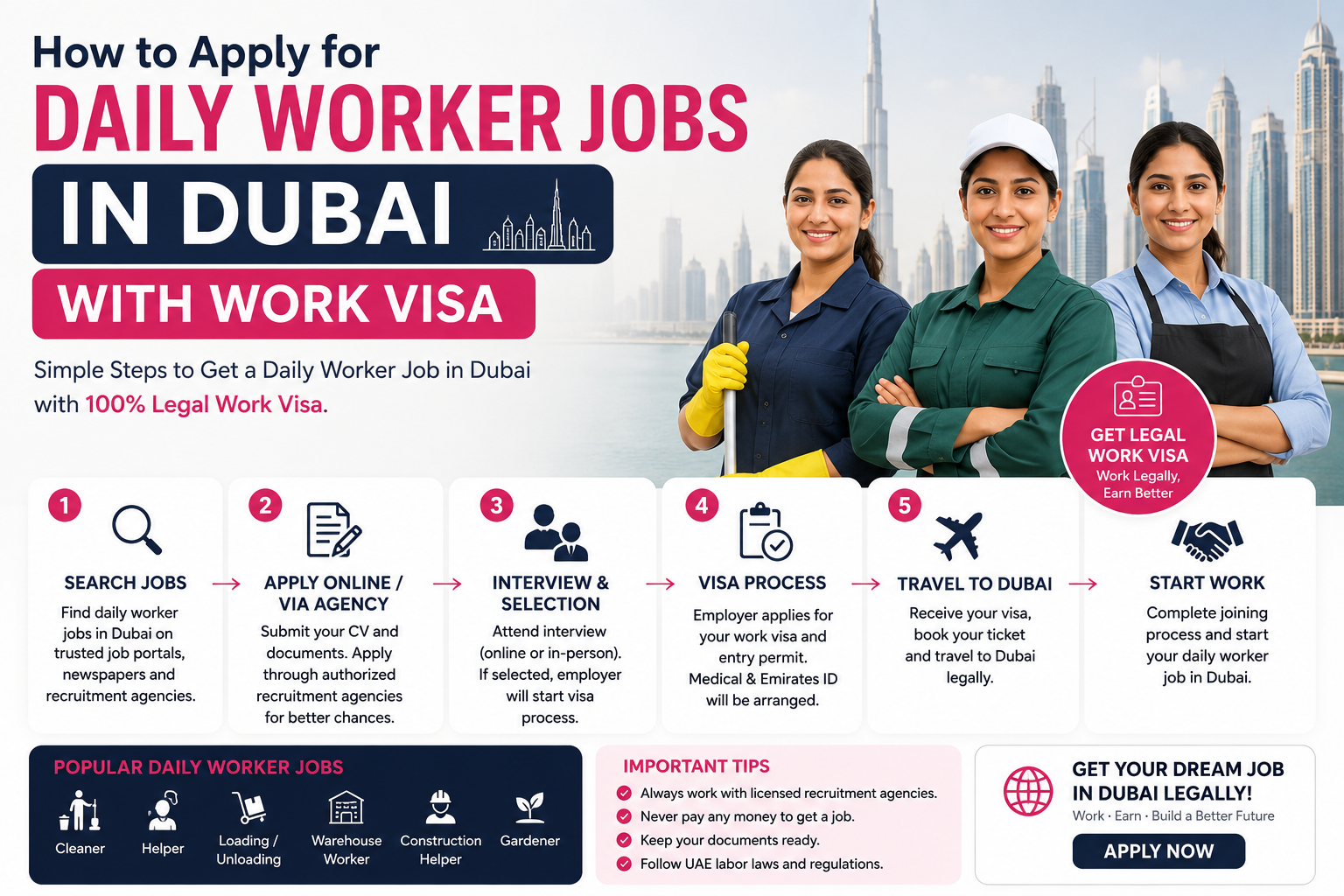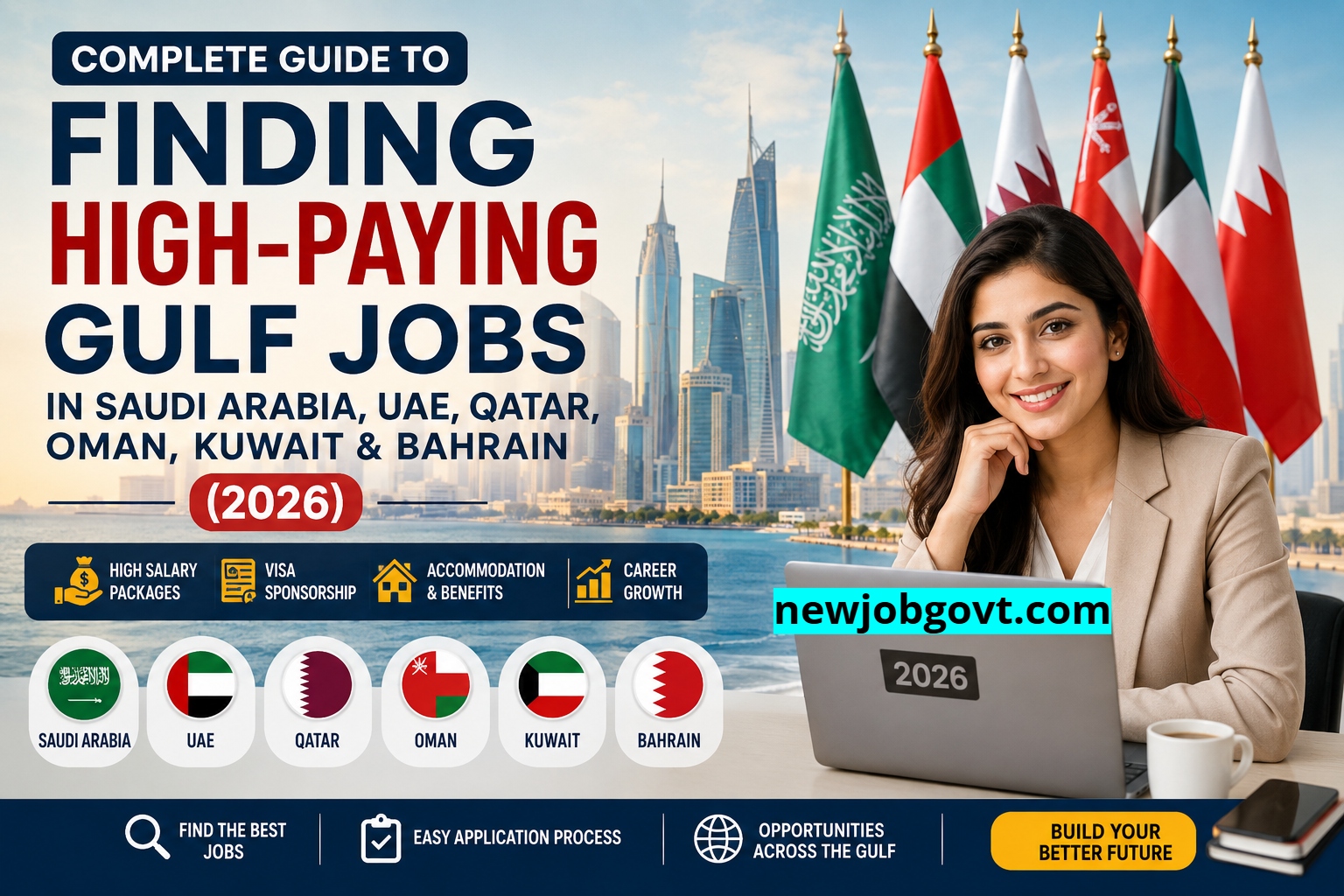
The Gulf region remains one of the world’s top destinations for foreign workers seeking high-paying careers, tax-free salaries, and excellent employment benefits. In 2026, countries including Saudi Arabia, the United Arab Emirates (UAE), Qatar, Oman, Kuwait, and Bahrain continue to invest heavily in construction, healthcare, hospitality, logistics, information technology, manufacturing, and energy projects.
Whether you are a skilled professional or an entry-level job seeker, Gulf countries offer thousands of employment opportunities with attractive salary packages, accommodation, transportation, health insurance, and visa sponsorship.
This guide explains everything you need to know about finding legitimate Gulf jobs in 2026.
Why Work in Gulf Countries?
There are many reasons why millions of workers choose Gulf countries every year.
Some of the biggest benefits include:
- Tax-free salaries in many Gulf countries
- Employer-sponsored work visas
- Free or subsidized accommodation
- Medical insurance
- Paid annual leave
- Air tickets after contract completion
- Career growth opportunities
- Modern work environment
- International work experience
Best Gulf Countries for Foreign Workers
1. Saudi Arabia
Saudi Arabia continues to create new jobs through Vision 2030 projects, including NEOM, Red Sea Project, and Qiddiya.
Popular industries include:
- Construction
- Oil and Gas
- Healthcare
- Hospitality
- Engineering
- Logistics
- Information Technology
Average monthly salary:
- General Labor: $700–1,200
- Driver: $900–1,500
- Electrician: $1,200–2,000
- Engineer: $2,500–6,500
- Nurse: $2,000–4,500
2. United Arab Emirates (UAE)
Dubai and Abu Dhabi remain among the most attractive destinations for international professionals.
Top hiring sectors include:
- Tourism
- Hotels
- Aviation
- Construction
- Banking
- IT
- Retail
- Healthcare
Average monthly salary:
- Hotel Staff: $900–1,800
- Office Assistant: $1,200–2,500
- Software Developer: $3,000–7,000
- Civil Engineer: $2,800–6,500
3. Qatar
Qatar continues expanding its economy beyond sports and infrastructure.
High-demand jobs include:
- Mechanical Engineers
- Nurses
- Electricians
- Welders
- Drivers
- Security Guards
- Hotel Workers
Average salary:
- Driver: $900–1,600
- Technician: $1,500–3,000
- Nurse: $2,500–5,000
- Engineer: $3,500–7,500
4. Oman
Oman offers stable employment opportunities in:
- Construction
- Manufacturing
- Oil & Gas
- Hospitality
- Healthcare
- Logistics
Average salary:
- Construction Worker: $700–1,300
- Electrician: $1,200–2,300
- Engineer: $2,800–5,500
5. Kuwait
Kuwait remains attractive due to competitive salaries and strong demand for skilled workers.
Popular jobs include:
- Nurses
- Drivers
- Electricians
- Factory Workers
- Engineers
- IT Professionals
Average salary:
- Driver: $900–1,700
- Nurse: $2,200–4,800
- Engineer: $3,000–7,000
6. Bahrain
Bahrain has a growing economy with opportunities in:
- Banking
- Hospitality
- Retail
- Construction
- Healthcare
- Manufacturing
Average salary:
- Hotel Staff: $900–1,600
- Sales Executive: $1,200–2,800
- Engineer: $2,500–6,000
Highest-Paying Jobs in the Gulf (2026)
Some of the best-paying careers include:
- Petroleum Engineer
- Civil Engineer
- Mechanical Engineer
- Software Developer
- Cybersecurity Specialist
- Registered Nurse
- Doctor
- Financial Manager
- Project Manager
- Construction Manager
- Data Analyst
- Electrician
- Heavy Equipment Operator
- Aircraft Technician
- Logistics Manager
Industries Hiring the Most Foreign Workers
Major industries actively recruiting international workers include:
- Oil and Gas
- Construction
- Manufacturing
- Transportation
- Warehousing
- Healthcare
- Hospitality
- Tourism
- Retail
- Information Technology
- Telecommunications
- Banking
- Education
- Logistics
- Renewable Energy
How to Apply for Gulf Jobs
Follow these steps to improve your chances of getting hired:
Step 1
Prepare an updated CV highlighting your experience, qualifications, and skills.
Step 2
Create professional profiles on reputable job portals.
Step 3
Search for employers offering visa sponsorship.
Step 4
Apply only for jobs that match your qualifications.
Step 5
Attend online interviews and respond professionally.
Step 6
Verify the employment contract before accepting an offer.
Step 7
Complete your visa processing and medical examinations as required.
Documents Required
Most employers require:
- Valid passport
- Updated CV
- Passport-size photographs
- Educational certificates
- Experience letters
- Police clearance certificate (if required)
- Medical fitness certificate
Skills That Increase Your Salary
Learning these skills can significantly improve your earning potential:
- English communication
- Arabic (basic conversation)
- Computer skills
- Project management
- Heavy equipment operation
- Welding certifications
- Plumbing
- Electrical work
- Driving (valid license)
- IT certifications
- Safety certifications
Tips to Avoid Job Scams
Always follow these safety tips:
- Apply through trusted employers or licensed recruitment agencies.
- Verify job offers before sharing personal documents.
- Never pay large upfront fees for guaranteed jobs.
- Read your employment contract carefully.
- Confirm visa sponsorship details before traveling.
- Keep copies of all important documents.
Benefits Offered by Gulf Employers
Many employers provide:
- Visa sponsorship
- Free accommodation
- Transportation
- Medical insurance
- Annual leave
- End-of-service benefits
- Overtime pay
- Flight tickets
- Training opportunities
- Career advancement
Final Thoughts
In 2026, Saudi Arabia, the UAE, Qatar, Oman, Kuwait, and Bahrain continue to offer excellent career opportunities for foreign workers across a wide range of industries. Candidates with the right skills, professional CVs, and a careful approach to the application process can find rewarding employment with competitive salaries and valuable benefits. Research employers thoroughly, apply through legitimate channels, and prepare well for interviews to maximize your chances of securing a Gulf job.