Banking is one of the most stable, respected, and rewarding career fields in the world. It offers a wide range of opportunities, from customer service roles to high-level financial analysis and management positions. For many individuals, a career in banking provides financial stability, professional growth, and the chance to work in a dynamic environment that directly impacts businesses and individuals.
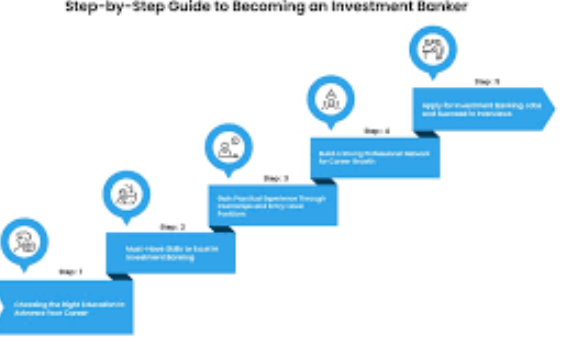
However, entering the banking sector requires proper planning, the right education, skill development, and a clear understanding of the industry. This step-by-step guide explains everything you need to know to start a successful career in banking, including education requirements, skills, job roles, certifications, and career advancement strategies.
Understanding the Banking Industry
Before pursuing a banking career, it is important to understand how the industry works. The banking sector plays a crucial role in the global economy by managing money, providing loans, facilitating payments, and supporting business growth.
Banks perform several major functions, including:
-
Accepting deposits from customers
-
Providing loans and credit facilities
-
Managing investments and financial assets
-
Facilitating domestic and international transactions
-
Offering financial advice and wealth management services
There are different types of banks where professionals can work, such as commercial banks, investment banks, central banks, and retail banks. Each category offers different roles and career paths.
A strong understanding of how banks operate will help you decide which area of banking best suits your interests and career goals.
Step 1: Choose the Right Educational Background
Education is the foundation of a banking career. Most banking positions require at least a bachelor’s degree in a relevant field.
Common degree programs that lead to banking careers include:
Bachelor’s Degree in Finance
Finance is one of the most preferred degrees for banking jobs. It teaches students about financial management, investments, financial markets, and risk analysis.
Students learn how money flows through financial systems and how banks manage assets and liabilities.
Bachelor’s Degree in Business Administration
Business administration provides a broad understanding of management, economics, marketing, and accounting. This degree prepares students for various roles within banking institutions.
Bachelor’s Degree in Accounting
Accounting focuses on financial reporting, auditing, taxation, and financial analysis. These skills are highly valuable for banking professionals who manage financial records and transactions.
Bachelor’s Degree in Economics
Economics helps students understand how financial markets operate, how policies affect banking systems, and how economic trends influence financial decisions.
Choosing a relevant degree increases your chances of entering the banking industry quickly.
Step 2: Develop Essential Banking Skills
In addition to education, banks look for candidates who possess specific skills that help them succeed in the financial sector.
Financial Analysis Skills
Banking professionals must analyze financial data, evaluate creditworthiness, and assess risks before approving loans or investments.
Understanding financial statements, balance sheets, and profit-and-loss reports is extremely important.
Communication Skills
Bank employees interact with customers daily. They must clearly explain banking products, loan options, and financial services.
Strong communication skills help build trust with clients and improve customer relationships.
Analytical Thinking
Banks rely heavily on data and financial analysis. Professionals must analyze numbers, market trends, and financial indicators to make informed decisions.
Analytical thinking helps in risk management and financial planning.
Customer Service Skills
Many banking roles involve working directly with customers. Providing excellent service helps maintain long-term relationships with clients.
Customer satisfaction is a key factor in banking success.
Attention to Detail
Banking requires accuracy because even small mistakes can lead to financial losses. Professionals must carefully verify documents, transactions, and financial reports.
Step 3: Gain Knowledge of Banking Products and Services
Understanding banking products is essential for anyone entering the industry.
Common banking services include:
-
Savings accounts
-
Current accounts
-
Fixed deposits
-
Personal loans
-
Home loans
-
Credit cards
-
Investment services
-
Business loans
Learning how these services work will help you perform your job more effectively and guide customers toward suitable financial solutions.
Many universities and online platforms offer introductory banking courses that explain financial products in detail.
Step 4: Pursue Relevant Certifications
Certifications can significantly increase your chances of securing a banking job. They demonstrate your commitment to the field and provide specialized knowledge.
Some popular banking certifications include:
Certified Financial Analyst (CFA)
This certification is highly respected in investment banking and financial analysis roles. It focuses on investment management, financial analysis, and portfolio management.
Certified Financial Planner (CFP)
CFP certification is ideal for professionals interested in wealth management and financial planning.
Banking and Finance Diplomas
Many institutions offer specialized diplomas in banking and finance that provide practical knowledge about banking operations and regulations.
Certifications can help you stand out among other candidates in a competitive job market.
Step 5: Build Practical Experience
Practical experience is extremely valuable in the banking industry. Employers prefer candidates who understand real-world banking operations.
Internships
Internships provide students with hands-on experience in banks or financial institutions. During internships, you may assist with customer service, documentation, financial analysis, or administrative tasks.
Internships help you understand the work environment and develop professional connections.
Part-Time Jobs
Working part-time in financial institutions, accounting firms, or financial advisory companies can also help you gain valuable experience.
Training Programs
Some banks offer graduate training programs that prepare new employees for various roles within the organization.
These programs allow you to rotate through different departments and learn how each area functions.
Step 6: Prepare a Strong Resume
Your resume is your first impression when applying for banking jobs. It should highlight your education, skills, and experience relevant to the banking sector.
A strong banking resume typically includes:
-
Educational qualifications
-
Relevant coursework
-
Internships or work experience
-
Certifications
-
Technical skills
-
Communication skills
Make sure your resume is clear, concise, and professional.
Employers often prefer candidates who demonstrate strong analytical abilities, attention to detail, and customer service experience.
Step 7: Apply for Entry-Level Banking Jobs
After completing your education and gaining some experience, the next step is applying for entry-level banking positions.
Common entry-level banking jobs include:
Bank Teller
Bank tellers handle daily financial transactions such as deposits, withdrawals, and money transfers. This role provides excellent exposure to banking operations.
Customer Service Representative
Customer service representatives assist clients with account inquiries, banking services, and financial products.
Credit Analyst
Credit analysts evaluate loan applications and assess the creditworthiness of borrowers.
Relationship Manager
Relationship managers work closely with clients to understand their financial needs and offer suitable banking solutions.
These roles provide valuable experience and can lead to higher positions within the banking industry.
Step 8: Prepare for Banking Job Interviews
Banking interviews are often competitive and require thorough preparation.
Employers may ask questions about:
-
Financial concepts
-
Banking products
-
Customer service situations
-
Problem-solving scenarios
-
Industry trends
To prepare for interviews:
-
Study basic banking concepts
-
Stay updated on financial news
-
Practice answering behavioral interview questions
-
Research the bank before attending the interview
Confidence and professionalism are essential during banking interviews.
Step 9: Understand Banking Regulations and Compliance
Banks operate under strict regulations to ensure financial stability and prevent fraud.
Banking professionals must understand regulatory requirements such as:
-
Anti-money laundering policies
-
Financial reporting standards
-
Risk management procedures
-
Customer verification processes
Compliance knowledge is important because banks must follow national and international financial regulations.
Understanding these rules can make you a valuable asset to any banking institution.
Step 10: Continue Professional Development
The banking industry constantly evolves due to technological advancements, economic changes, and regulatory updates.
To remain competitive in this field, professionals must continuously improve their knowledge and skills.
Ways to continue professional development include:
-
Attending banking workshops and seminars
-
Taking advanced finance courses
-
Obtaining additional certifications
-
Reading financial news and market reports
Continuous learning helps banking professionals stay ahead in their careers.
Career Growth Opportunities in Banking
Banking offers excellent career growth opportunities. With experience and additional qualifications, professionals can advance to higher-level positions.
Common career progression paths include:
Entry-Level Roles
→ Senior Banking Officer
→ Branch Manager
→ Regional Manager
→ Executive Leadership Positions
Other professionals may move into specialized areas such as investment banking, risk management, corporate finance, or wealth management.
Higher-level banking roles often offer attractive salaries, bonuses, and leadership opportunities.
Challenges in the Banking Industry
Although banking offers many benefits, it also comes with certain challenges.
Some common challenges include:
High Responsibility
Banking professionals handle large financial transactions and sensitive information. Accuracy and responsibility are essential.
Competitive Environment
The banking industry is highly competitive, and professionals must continuously improve their skills.
Regulatory Pressure
Strict financial regulations require banks to maintain high compliance standards.
Technological Changes
Digital banking and financial technology are transforming the industry, requiring professionals to adapt to new systems and technologies.
Understanding these challenges can help you prepare for a successful banking career.
Importance of Networking in Banking Careers
Networking plays a significant role in building a successful career in banking.
Connecting with professionals in the financial industry can provide:
-
Career advice
-
Job opportunities
-
Industry insights
-
Professional mentorship
Networking opportunities include:
-
Finance conferences
-
Banking seminars
-
Professional associations
-
Online networking platforms
Building strong professional relationships can accelerate your career growth.
The Role of Technology in Modern Banking Careers
Technology has transformed the banking industry in recent years.
Digital banking platforms, mobile banking applications, and artificial intelligence systems have changed how financial services are delivered.
Modern banking professionals must understand technologies such as:
-
Digital payment systems
-
Online banking platforms
-
Financial data analytics
-
Cybersecurity systems
Technology skills are becoming increasingly important in banking careers.
Professionals who combine financial knowledge with technical expertise are highly valued in today’s banking sector.
Tips for Success in the Banking Industry
To succeed in the banking industry, professionals should follow several key strategies.
Maintain Professional Ethics
Integrity and honesty are essential in financial institutions. Banks rely heavily on trust and transparency.
Focus on Customer Relationships
Strong customer relationships lead to long-term business success.
Stay Updated on Financial Trends
Financial markets change frequently. Staying informed helps professionals make better decisions.
Develop Leadership Skills
Leadership abilities become important as professionals move into managerial roles.
Embrace Lifelong Learning
Continuous education and skill development help professionals stay competitive in the banking industry.
Conclusion
Starting a career in banking requires careful planning, the right education, practical experience, and continuous professional development. The banking industry offers a wide range of opportunities for individuals interested in finance, customer service, and financial management.
By choosing the right academic background, developing essential skills, gaining hands-on experience, and pursuing relevant certifications, aspiring professionals can successfully enter the banking sector.
Although the industry is competitive and demanding, it also offers stability, career growth, and rewarding opportunities. With dedication, strong analytical skills, and a commitment to learning, anyone can build a successful and fulfilling career in banking.